
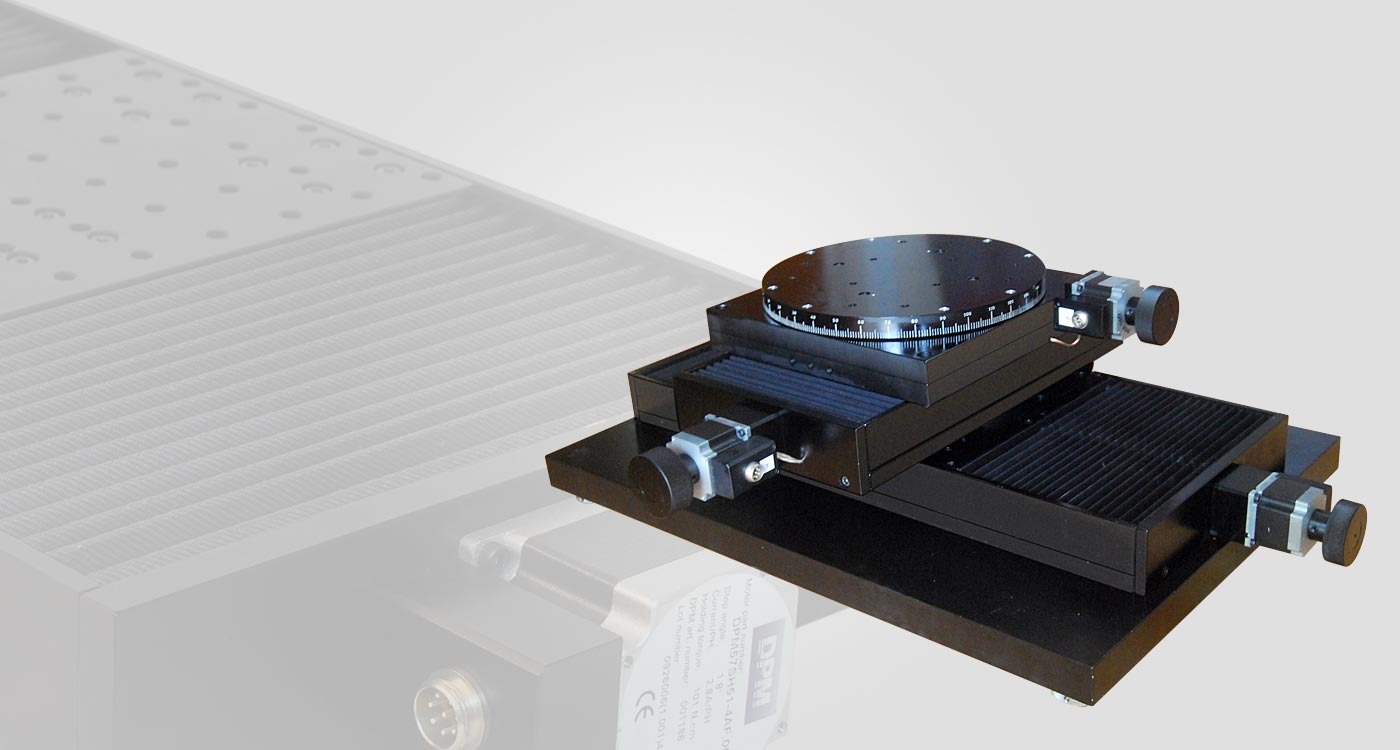
In the world of automation and robotics, precision and control are paramount. From manufacturing lines to intricate robotic arms, the ability to precisely control motion and torque is what separates good systems from exceptional ones. At the heart of this precision lies a crucial component: the servo drive. In this blog, we’ll take a comprehensive look at servo drives – what they are, how they work, and why they’re essential in today’s industrial landscape.
What is a Servo Drive?
A servo drive, also known as a servo amplifier, is an electronic device that controls the motion and torque of a servo motor. Think of it as the brain that orchestrates the intricate dance of movements in automated systems. Servo drives receive command signals from a controller, interpret them, and then precisely regulate the motor’s speed, position, and torque to achieve the desired motion.
How Does a Servo Drive Work?
At its core, a servo drive works by converting incoming electrical signals into precise motor movements. Here’s a simplified breakdown of the process:
- Command Input: The servo drive receives command signals from a controller, which dictate the desired motion parameters such as speed, position, and acceleration.
- Signal Processing: The servo drive processes these command signals, interpreting them to determine the appropriate motor response.
- Motor Control: Based on the processed signals, the servo drive sends precise voltage and current commands to the servo motor. These commands regulate the motor’s speed and torque, ensuring it moves according to the desired parameters.
- Feedback Loop: Most servo drive systems incorporate feedback devices such as encoders or resolvers. These devices provide real-time feedback on the motor’s actual position and speed, allowing the servo drive to make continuous adjustments to maintain accuracy and stability.
- Closed-Loop Control: Through continuous monitoring of the feedback signals, the servo drive adjusts the motor’s performance in real-time, ensuring that it closely tracks the commanded motion profile.
Why are Servo Drives Essential?
The importance of servo drives in modern industrial automation cannot be overstated. Here are a few key reasons why they are essential:
- Precision Control: Servo drives offer unparalleled precision and accuracy in controlling motor motion. Whether it’s maintaining tight tolerances in manufacturing processes or executing complex movements in robotics, servo drives excel at delivering precise motion control.
- Dynamic Performance: Servo drives are capable of rapid acceleration and deceleration, making them ideal for applications that require quick changes in speed or direction. This dynamic performance is crucial in maximizing productivity and efficiency in various industrial processes.
- Flexibility and Versatility: Servo drives can be easily configured and programmed to suit a wide range of applications. Whether it’s simple point-to-point positioning or intricate synchronized motion control, servo drives offer the flexibility to adapt to diverse automation needs.
- Energy Efficiency: By precisely regulating motor performance, servo drives help optimize energy consumption. By operating motors at the most efficient speeds and torques, servo drives contribute to energy savings and sustainability efforts in industrial settings.
- Reliability and Durability: Servo drives are built to withstand the rigors of industrial environments, offering robustness and reliability in operation. With proper maintenance, servo drive systems can provide years of trouble-free service, minimizing downtime and maximizing productivity.
Conclusion
In the ever-evolving landscape of industrial automation, servo drives stand as indispensable tools for achieving precision, performance, and productivity. From manufacturing facilities to robotics laboratories, these electronic marvels play a vital role in shaping the future of automation. As technology continues to advance, the role of servo drives will only become more integral, driving innovation and progress across industries worldwide.
 English
  Arabic
  Spanish
  Portuguese
  Italian
  French
  German
  Vietnamese
  Thai
Thai  Chinese
  Turkish
  Japanese
  Korean
  Russian