

Оглавление
Servo motors are critical components in modern automation systems. From precise robotic arms to high-speed CNC machines, servo motors enable accuracy, repeatability, and intelligent control. If you’re exploring automation for the first time or upgrading an existing system you’re likely asking the most practical question: How much does a servo motor cost?
This article will give you a full breakdown of servo motor pricing. You’ll learn what impacts the price, how motor construction and control systems contribute to the total, and where to buy servo motors reliably. Whether you’re a project manager, engineer, or procurement specialist, understanding cost estimation is essential before making a decision.
1. What is a Servo Motor?
A servo motor is a type of electric motor that’s controlled by a closed-loop system. It continuously receives feedback from a sensor to adjust its movement in real time. This allows it to maintain precise control over position, speed, and torque.
Unlike standard motors that simply spin when powered, servo motors follow exact commands from a controller. This makes them ideal for applications like robotic joints, conveyor positioning, 3D printers, and even camera gimbals.
There are two main types of servo motors: DC servo motors and AC servo motors. DC versions are used in low-power and lightweight applications such as RC vehicles and small automation projects. AC servo motors, on the other hand, are better suited for industrial tasks due to their strength and efficiency.
Additionally, servo motors are often part of a broader motion control system, including a servo drive and controller. This system allows for fine-tuned adjustments, which are crucial in high-precision industries like aerospace, packaging, electronics assembly, and medical automation.
2. Servo Motor Structure Cost
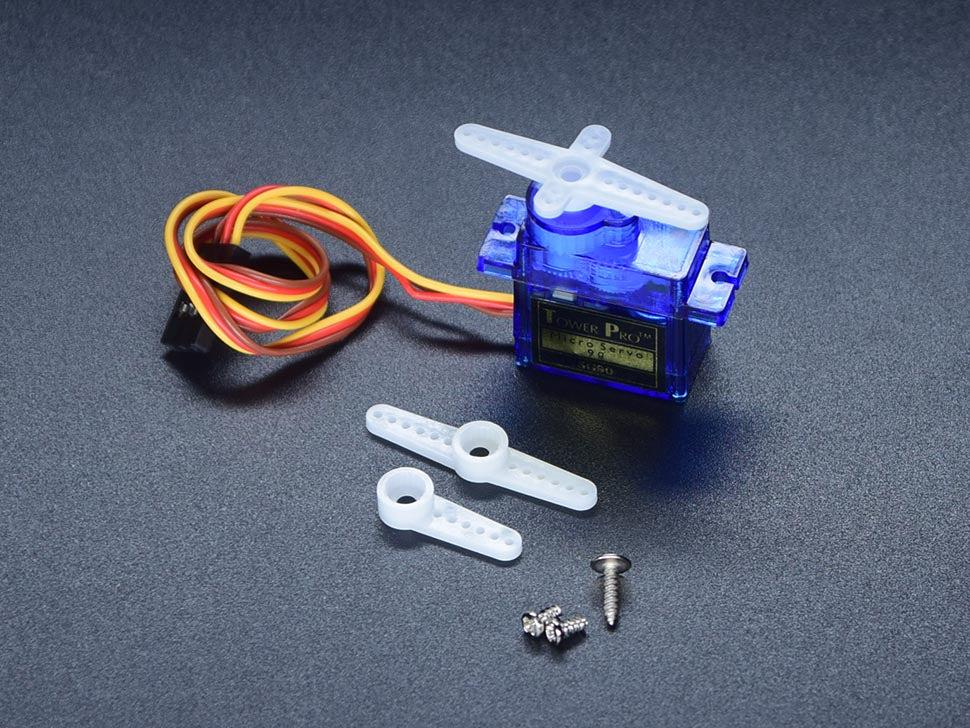
The internal design and materials used in a servo motor significantly impact its cost. Key components include the rotor, stator, shaft, housing, cooling system, and sensor assembly. High-quality materials such as neodymium magnets, hardened steel shafts, or high-efficiency laminations increase both performance and price.
The rotor and stator are responsible for generating torque. Motors with high copper fill and optimized magnetic circuits provide better torque density but are more expensive to manufacture. Cheaper motors might use lower-grade copper or magnets, which reduce efficiency and reliability.
Encoders and position sensors usually either optical or magnetic also drive up costs. High-resolution encoders are necessary for fine control and can add hundreds of dollars to the price tag, especially in applications like semiconductor manufacturing or CNC milling.
Some servo motors are designed for rugged environments and feature sealed or IP-rated housings to resist dust, oil, or moisture. This adds to manufacturing complexity, but it’s essential in industries like food production or outdoor automation.
Other factors such as noise dampening, vibration resistance, and shaft customization can also raise production costs. For instance, motors with low noise output for medical or lab settings may use specialized bearings and mounts, increasing the price per unit.
3. Servo Motor Control System Cost
The servo motor control system includes the servo drive (amplifier) and the motion controller both of which can be as expensive as the motor itself. The drive is responsible for powering the motor with the correct voltage, current, and timing. It also processes signals from the motor’s feedback sensor and adjusts output accordingly.
Advanced servo drives can interface with modern industrial protocols like EtherCAT, Modbus, or CANopen, which ensures compatibility in smart factories. These features increase cost but are essential for scalable or connected systems.
Motion controllers are typically PLCs (Programmable Logic Controllers) or PC-based systems that issue movement instructions. Sophisticated controllers offer multi-axis coordination, user-friendly programming interfaces, and real-time diagnostics important for automation tasks that involve multiple synchronized motors.
Another hidden cost lies in the software required to operate and tune the servo system. High-performance setups often come with proprietary tuning software, license fees, or subscription models. Some even require regular updates or paid support plans.
Don’t overlook wiring and I/O components either. Industrial servo setups may require shielded cables, EMI protection, braking resistors, and filters each contributing to total system cost. Integration complexity can also necessitate professional installation or consultation.
4. Factors Affecting the Cost of Servo Motors

Many variables affect servo motor pricing. Understanding these helps you make better decisions based on your project’s unique needs. Below are the most influential factors.
Torque and Power Output
The higher the required torque or power, the larger and more robust the motor needs to be. Motors delivering high torque at low RPMs need larger frames, heavier windings, and stronger materials, all of which raise costs.
For instance, a motor that can lift a 100kg payload needs significantly more resources than one moving a lightweight camera. Power-hungry applications like industrial robotics, gantry systems, or presses command higher price points.
Resolution and Feedback Accuracy
The servo’s encoder or resolver determines how precisely the motor can report its position. High-resolution encoders especially absolute encoders with multi-turn capability can be costly but essential in tasks requiring fine positioning, such as pick-and-place machines or surgical robots.
Feedback sensors also vary by technology. Optical encoders are more accurate but delicate. Magnetic sensors are more rugged but sometimes less precise. The choice depends on the application’s balance of performance vs. durability.
Brand Reputation and Manufacturing Quality
Leading brands like Yaskawa, Mitsubishi, Panasonic, Delta, and Siemens tend to charge more due to their engineering quality, after-sales support, and long-term reliability. However, their products usually offer better efficiency, longer life, and easier integration.
Cheaper or generic brands might work for short-term or less critical use cases but come with increased risks like overheating, reduced lifespan, or poor documentation. In some cases, you’ll spend more replacing or maintaining cheaper motors.
Environment and Protection Requirements
If your servo motor will operate in harsh conditions such as outdoor locations, dusty factories, or washdown environments you’ll need protection features. These include sealed housings, stainless steel shafts, or special coatings, all of which come at a premium.
Additionally, motors that require high temperature resistance, explosion-proof ratings, or low electromagnetic interference (EMI) performance may need specialized designs, certifications, and third-party testing, further increasing cost.
Quantity and Customization
Buying in bulk typically allows for price negotiation or discounts. But small-volume or custom builds like non-standard flanges, modified shafts, or private-label branding incur extra fees due to setup time, design modifications, and tooling.
Lead time is also a consideration. If you need a servo motor urgently, manufacturers may charge expedited processing fees or offer off-the-shelf models at higher pricing to accommodate rush orders.
Integration Complexity
The ease of integrating a servo motor into an existing system also affects total cost. Motors requiring complex interfacing with controllers, special programming languages, or extensive tuning procedures may increase both the upfront and hidden costs. Plug-and-play motors with built-in drives or simple interface protocols often save time and engineering effort.
Additionally, some servo motors require detailed parameter configuration using proprietary tools. If your engineering team is unfamiliar with the brand or ecosystem, this learning curve can translate into longer commissioning times and higher labor costs.
Lifecycle and Maintenance Expectations
When evaluating cost, consider the Total Cost of Ownership (TCO) not just the purchase price. High-end servo motors are often rated for tens of thousands of hours of operation and include features such as auto-diagnostics, over-temperature protection, or predictive maintenance alerts.
Lower-end units may require more frequent replacement, lubrication, or encoder recalibration. Over time, the savings from a cheaper motor can be offset by maintenance downtime, technician visits, or operational errors.
Motor Efficiency and Energy Consumption
Highly efficient servo motors consume less power per unit of torque delivered. While these models might have a higher upfront cost, their long-term energy savings especially in 24/7 manufacturing can significantly reduce operational expenses.
Some newer models feature regenerative braking, which recaptures energy during deceleration and feeds it back into the system. This not only lowers energy bills but also reduces heat generation and wear on braking components.
Compliance and Certification Requirements
If your servo motor needs to meet specific standards like CE, UL, RoHS, ATEX, or ISO 13849 safety standards you’ll often pay more for the certification process and documentation. These are mandatory in regulated sectors like medical devices, pharmaceuticals, or automotive.
In export-heavy industries, international compliance is essential. Some buyers even request detailed traceability on components, materials, and country of origin, which adds administrative and testing costs to the motor’s final price.
5. Cost Estimation of Servo Motors
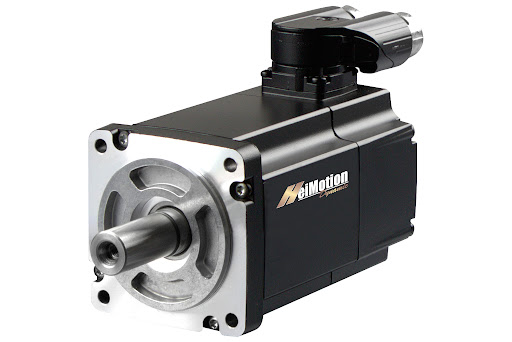
Servo motors vary significantly in cost based on type, size, precision, and brand. Let’s look at the general pricing tiers across different application levels.
Low-End Applications: $10–$50
These motors are commonly found in DIY projects, educational kits, or consumer electronics. Often using basic DC motors with plastic gearboxes and potentiometer feedback, they provide basic movement for things like model airplanes, pan-tilt cameras, or Arduino-based robots.
These units typically lack sophisticated feedback systems and are not designed for continuous duty. However, they’re ideal for prototyping and cost-sensitive applications.
Mid-Range Industrial Use: $100–$500
These servo motors are suited for light industrial machines, such as basic CNC routers, conveyor belts, or packaging machines. They often come as part of an integrated motor/drive solution and may feature basic encoders or communications.
Common in small workshops or manufacturing lines, these units offer a balance between cost and performance. They’re often rated for continuous use and have decent torque output (up to a few Nm).
High-Performance Systems: $800–$3,000+
Designed for robotics, factory automation, automotive, and aerospace applications, these motors offer high torque, fine resolution, and fast acceleration. Most come with advanced encoder options, digital networking, and rugged construction.
Paired with compatible drives and motion controllers, these systems are meant for 24/7 operation with minimal downtime. They are energy efficient, durable, and extremely responsive ideal for critical tasks where failure is not an option.
Custom and Specialized Motors: $3,000–$10,000+
If your application requires custom features, such as extreme torque, zero-backlash design, liquid cooling, or compliance with medical or defense standards, expect much higher prices. These motors are often made to order and involve engineering consultation.
Also, for highly regulated sectors like aviation or pharmaceuticals, additional documentation, testing, and compliance costs can add significantly to the final invoice.
6. What are the Channels for Purchasing Servo Motors?
Once you’ve identified the right servo motor for your needs, the next step is knowing where to source it. Your choice of supplier affects cost, support, and delivery speed.
Direct from Manufacturers
Some manufacturers sell directly to customers via dedicated sales teams. This route is beneficial if you’re looking for custom solutions, long-term partnerships, or need direct access to engineers for support.
However, direct channels may have higher MOQs (Minimum Order Quantities) and longer lead times. This is often best for OEMs or integrators planning large installations.
Authorized Distributors
Authorized partners like RS Components, Allied Electronics, Mouser, or Digi-Key carry a wide range of servo motors and accessories. They offer prompt shipping, competitive pricing, and support from trained sales engineers.
These distributors often have product filters and datasheets that help you compare options side-by-side. They also handle warranty processing more smoothly than online resellers.
Online Marketplaces
E-commerce platforms like Amazon, AliExpress, and eBay offer access to low-cost servo motors especially from Chinese suppliers. This is ideal for hobbyists and small projects where budget matters more than long-term reliability.
The risk is that not all listings are transparent. Fake components, used products, or poor documentation can make integration frustrating. Be sure to check reviews and seller ratings.
Local Suppliers and Integrators
Working with a local automation dealer or system integrator can be advantageous. They often provide hands-on help with sizing, configuration, wiring, and even installation.
Although pricing may be higher, the added support and faster service can offset that. This is especially useful in urgent breakdowns or for businesses that lack internal engineering staff.
Заключительные мысли
Understanding servo motor cost estimation isn’t just about looking at price tags. It’s about knowing what’s inside the motor, what external components it needs, and how it integrates into your overall system.
Whether you’re building a simple CNC table or automating a complex factory line, there’s a servo motor to match your needs and budget. By breaking down the key elements structure, control systems, and buying channels you can make better decisions and avoid costly mistakes.
Take your time to evaluate your application’s requirements, and don’t hesitate to get expert advice. The right investment in a servo motor system today can lead to better productivity, fewer maintenance issues, and long-term operational success.
 Russian
  English
  Arabic
  Spanish
  Portuguese
  Italian
  French
  German
  Vietnamese
  Thai
Thai  Chinese
  Turkish
  Japanese
  Korean