
목차
Stepper motors are widely used in automation, robotics, CNC machines, 3D printers, and other precision systems. Their reliability and ability to deliver accurate positioning make them essential in many industries. However, like any mechanical and electrical component, they require proper maintenance to ensure consistent performance and long-term durability.
Whether you’re an engineer managing production equipment or a hobbyist maintaining a personal project, this guide will walk you through all the essentials of stepper motor maintenance, from understanding its importance to developing a practical maintenance schedule.
1. The Importance of Stepper Motor Maintenance
Stepper motors are a foundational part of many precision-driven machines and devices. Their ability to deliver accurate, repeatable motion makes them indispensable in industries such as manufacturing, robotics, medical equipment, and automation.
However, like any mechanical or electromechanical component, they are subject to wear, contamination, and performance degradation over time. Many users overlook the importance of consistent upkeep until a failure occurs, often resulting in costly downtime and repairs.
Understanding why maintenance matters is the first step toward maximizing the performance and lifespan of your stepper motors. Let’s explore the key reasons why regular stepper motor maintenance should be a priority:
Stepper Motors Are Precision Devices
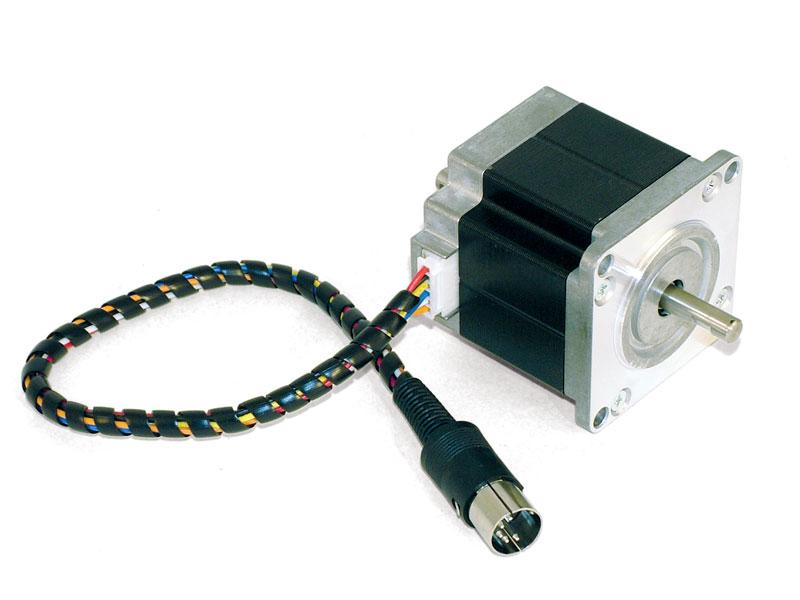
Stepper motors are engineered for precision. They are widely used in applications where accurate positioning, controlled speed, and repeatability are essential such as 3D printers, CNC machines, medical devices, and automated assembly lines.
Even a small deviation or irregularity in their performance can disrupt an entire system. Since they function in discrete steps, any missed or skipped step can lead to misalignment, production errors, or flawed outcomes in high-precision tasks.
Consequences of Minor Malfunctions
While stepper motors are generally durable, even minor issues like dust accumulation, lubrication breakdown, or misalignment can have significant ripple effects. In a production environment, these issues can cause:
● Production downtime due to unexpected stoppages
● Poor product quality if accuracy is compromised
● System-wide failure if the motor is part of a critical process chain
This makes preventive attention essential, not optional.
The Role of Preventive Maintenance
Preventive maintenance isn’t just about fixing problems after they occur it’s about preventing issues before they arise. This includes routine inspections, cleaning, checking for signs of wear, and ensuring the motor operates within its specified parameters.
In high-duty or continuous-use settings, such as factories running 24/7, this becomes even more critical. These environments place constant stress on motors, and without regular care, wear and degradation can accelerate rapidly.
Risks of Neglecting Maintenance
Failure to maintain stepper motors can lead to a range of mechanical and electrical issues, including:
● Overheating due to dirt, friction, or blocked airflow
● Bearing damage from lack of lubrication or contamination
● Misalignment of shafts or couplings, causing vibration or mechanical stress
Reduced torque or inconsistent motion, affecting system output
Over time, these problems may require costly repairs or total motor replacement often at the worst possible time.
Cost and Productivity Implications
Unplanned downtime from a failed stepper motor not only increases maintenance costs but can also impact deadlines, customer satisfaction, and production quotas. The cost of replacing a motor is much higher than the cost of maintaining it. Additionally, if multiple machines rely on synchronized operations, one failed motor can affect the entire system.
Long-Term Benefits of Consistent Maintenance
Regular maintenance helps stepper motors run efficiently and extends their operational lifespan. A well-maintained stepper motor can deliver years of smooth, consistent performance, often rivaling or exceeding the lifespan expected by the manufacturer.
Other system components also benefit, since a properly functioning motor reduces strain on belts, gears, drivers, and controllers. This contributes to more stable operations, fewer performance anomalies, and lower overall operational risk.
2. What Maintenance Work Does the Stepper Motor Need?
Stepper motor maintenance involves both mechanical and electrical tasks. These steps ensure that each component of the motor system stays within its performance limits. Maintenance is about preserving performance and avoiding early failure.
Cleaning
Dust and debris can accumulate on and around the motor. Cleaning the housing and ventilation openings helps avoid overheating. Use a soft brush or compressed air, and never allow moisture to enter the motor body. Moisture or residue inside the motor can cause short circuits or rust.
Bearing Inspection
Bearings are mechanical wear points. If they begin to grind or wobble, the motor will not run smoothly. Check for unusual noise or vibration and replace bearings as necessary. Smooth bearing function ensures consistent motor movement.
Shaft Alignment
Ensure that the motor shaft remains aligned with its load. Misalignment causes stress on internal components, accelerates bearing wear, and leads to uneven torque output. Regular checks for alignment prevent long-term internal damage.
Mounting Hardware Check
Loose bolts or mounting brackets can shift during operation. Check and tighten all fasteners. Vibration due to loose mounting can disrupt precision and damage internal components. Keeping the motor securely mounted also helps reduce noise.
Wiring and Connector Inspection
Electrical connections should be checked for signs of fraying, corrosion, or looseness. Secure all connectors and verify that wiring insulation is intact to prevent short circuits. Ensure all terminals are properly fastened to avoid connection loss during operation.
Motor Driver and Controller Health
The motor’s performance depends heavily on its driver. Inspect the controller for overheating signs, faulty capacitors, or firmware errors. Proper driver tuning helps avoid skipped steps and ensures efficient operation. Updating drivers and firmware also helps maintain compatibility with the rest of the system.
3. Develop a Schedule for Maintaining Your Stepper Motors
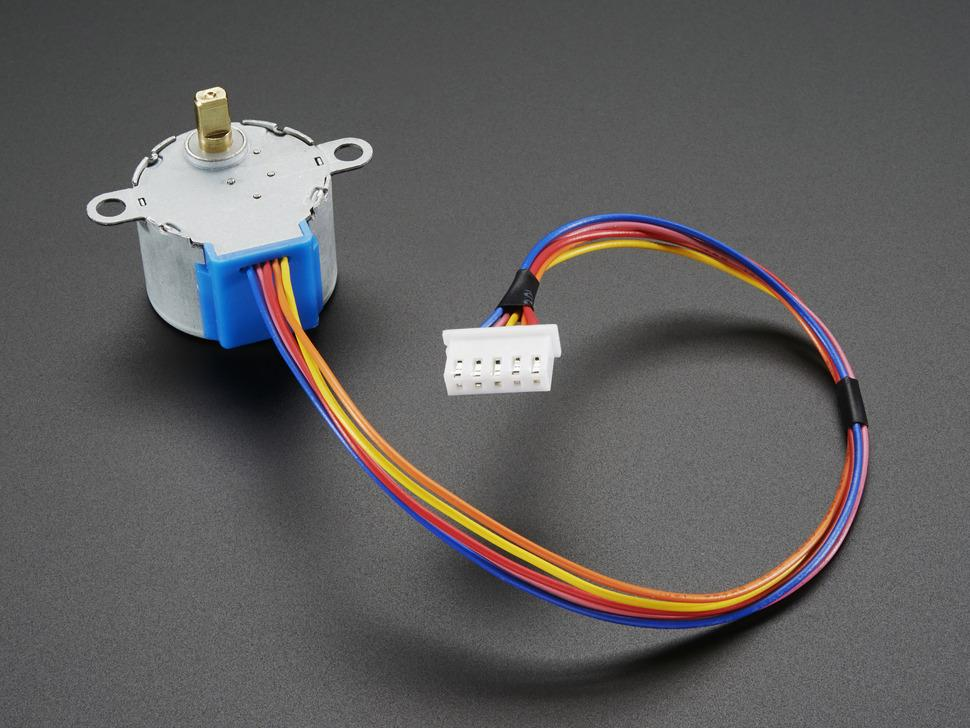
Creating a consistent maintenance schedule is key to avoiding surprise failures. Tailor the frequency of maintenance based on usage, environment, and the criticality of the equipment. Maintenance should be proactive, not reactive.
Daily or Weekly Checks (for High-Usage Systems)
For machines running 24/7 or in harsh environments, perform daily visual checks. Look for signs of dirt buildup, unusual noise, or excessive heat. Wipe surfaces clean and confirm there are no fluid leaks near the motor.
Also, monitor the motor temperature with touch or sensors. Record any sudden changes in noise, smell, or responsiveness. These early signs can help catch failures before they escalate.
Monthly Checks
Inspect all wiring connections and mounting hardware. Run temperature and vibration diagnostics if available. Make sure shaft alignment and pulley tension (if applicable) are correct. Check for wear on external moving components.
Inspect the condition of the motor body for dents, scratches, or signs of impact. Review driver and controller logs for any fault reports. Periodic checks ensure nothing is missed over time.
Quarterly or Bi-Annual Maintenance
Perform a more detailed inspection. Check bearing conditions and rotate the shaft manually to feel for smooth motion. Clean driver components and verify cooling fans are functional. If necessary, remove the motor for internal cleaning.
Update firmware for the motor controller or driver. Review software configurations to ensure that step rates, holding torque, and acceleration profiles are within recommended parameters.
Annual Overhaul
At least once per year, disconnect the motor and inspect it internally if your system allows. This is a good time to replace worn-out bearings, retune the driver, and update firmware if necessary. Consider replacing older connectors or cabling.
You should also test the motor under different load conditions to identify hidden inefficiencies. If you have multiple motors, rotate them if possible to balance usage.
Keeping a log of maintenance activities is highly recommended. It helps identify wear trends and anticipate when components might fail. It also helps you plan ahead for replacements and upgrades.
4. Regular Maintenance of Stepper Motors
Routine maintenance extends the lifespan of the motor while reducing downtime. Here’s a breakdown of what should be done regularly to keep your stepper motor in top shape.
Lubrication
Many stepper motors are sealed and do not require external lubrication. However, motors with external bearings or mechanical couplings may need greasing. Always use manufacturer-recommended lubricants.
Lubricating moving parts minimizes friction and prevents metal-to-metal contact. If neglected, wear increases rapidly, leading to premature failure.
Vibration Monitoring
Install sensors or periodically measure vibration using handheld devices. High vibration levels can indicate misalignment, imbalance, or bearing issues. Act early to prevent escalation.
Prolonged exposure to vibration not only affects the motor but also impacts the accuracy of the system it drives. Monitoring helps maintain operational precision.
Temperature Control
Stepper motors can overheat, especially when holding torque for extended periods. Monitor operating temperatures using thermal cameras or sensors. Improve ventilation if you detect high surface heat.
Using heatsinks or fans can assist with cooling. Overheating reduces efficiency, damages insulation, and shortens the lifespan of internal components.
Noise Observation
A healthy motor runs quietly. Sudden or growing noises grinding, humming, or clicking signal trouble. Identifying and resolving noise sources can prevent full-scale motor damage.
Listening to the motor during startup, operation, and shutdown can help you catch developing issues early. Strange sounds are often the first symptom of bearing or alignment problems.
Electrical Testing
Measure resistance across motor windings using a multimeter. Differences in resistance values between phases can point to internal damage. Also, check the current draw to ensure the motor isn’t being overloaded.
Check insulation resistance using a megohmmeter to detect any degradation. Early detection of electrical faults prevents damage to both the motor and driver.
Driver Settings Review
Motor drivers often offer adjustable settings for current, microstepping, and acceleration. Revisit these settings during maintenance to ensure they match the current system requirements.
Improper settings can lead to overheating, skipped steps, or reduced torque. Document any changes to keep track of what works best for your setup.
5. How Long is the Working Life of a Stepper Motor?
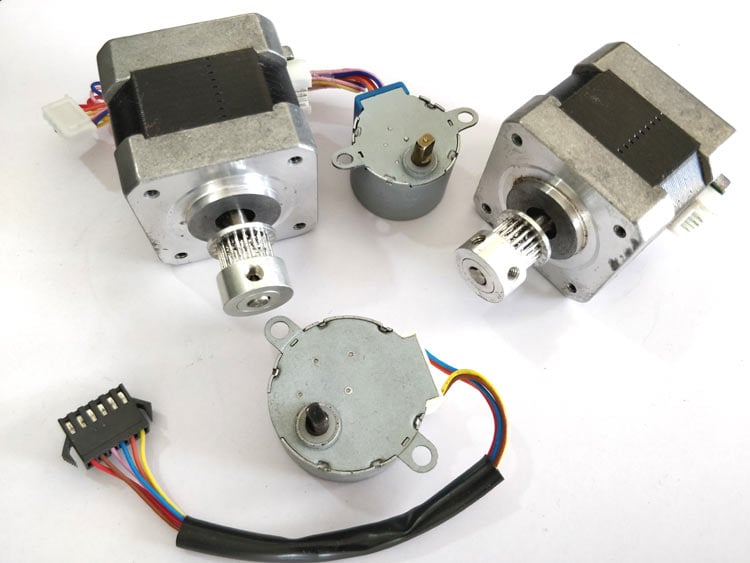
Stepper motors are known for their durability, but their exact lifespan depends on various factors including load, environment, usage pattern, and maintenance quality.
Typical Lifespan
A standard stepper motor can last between 10,000 to 25,000 operating hours. In optimal conditions with proper care, some motors can exceed 30,000 hours. Motors in low-duty cycles often last much longer.
Lifespan varies greatly depending on the specific application. A lightly loaded motor running intermittently in a clean room will outlast one operating in a high-vibration, dusty environment.
Factors That Affect Lifespan
Duty Cycle: Motors used intermittently tend to last longer than those running continuously. Stopping gives components time to cool.
Temperature: High operating temperatures degrade insulation and shorten motor life. Thermal stress can damage internal windings.
Mechanical Load: Excessive or improperly balanced loads cause premature wear. Use torque ratings as a guideline, not a limit.
Environmental Conditions: Dust, moisture, and corrosive atmospheres reduce life expectancy. Use enclosures or filters where necessary.
Maintenance Practices: Regular maintenance adds thousands of hours to motor life. Neglected motors wear out faster.
Signs of End-of-Life
You may notice a decrease in torque, irregular step response, or increased operating temperature. These are signs that the motor may be nearing the end of its service life.
Other signs include burning smells, intermittent operation, or failure to hold position. Continuous monitoring helps catch these early.
When to Replace
If performance issues persist despite cleaning, lubrication, and tuning, it may be more economical to replace the motor. Newer motors are often more efficient and compact, offering better value over time.
Replacement should also be considered if the motor design no longer suits your application or if parts are no longer available.
마지막 생각
Proper stepper motor maintenance isn’t overly complex, but it is essential. Clean motors perform better. Aligned shafts avoid unnecessary strain. Secure wiring ensures reliable current flow. All of these actions combine to reduce repair costs, prevent downtime, and extend motor life.
Whether you’re maintaining motors in a high-end CNC shop or managing a fleet of automated machines in a factory, the same principles apply. With consistent care, your stepper motors will deliver precision and reliability for years.
 Korean
  English
  Arabic
  Spanish
  Portuguese
  Italian
  French
  German
  Vietnamese
  Thai
Thai  Chinese
  Turkish
  Japanese
  Russian